

The six themes
Discover
The localities, six themes, one single amphitheatre — everything you need to know about the destination.
Discover
Țara Dornelor, dressed in legend
If you are wondering how the name “Țara Dornelor” came to be, you must enter the mystery of the local legend. Legend says that these lands received their name from a love story lost in times long past, with its protagonist being none other than Dragoș Vodă, known as “the founder of Moldavia.” As every legend carries the value given to it by its storytellers and because this is the beauty of information passed down by word of mouth, the story has multiple versions, but its essence remains unchanged.
It is said that, coming from Maramureș, Dragoș stopped for a while in Iacobeni. Passionate about hunting, luck accompanied him in every corner of the forests he crossed, and an unexpected event was to change his destiny, as well as the name of these lands. During a hunt on Mount Oușoru, he wounded a deer and, in pursuit of it, met a girl of striking beauty, named Dorina, with whom he fell in love. Thus, he decided to linger a little longer in these places. One day, he goes hunting, leaving his beloved a word of waiting with warm bread.
When Dragoș returns to the little house (hearth) on the bank of Dorina’s water, he finds out that she has left with the flock of sheep toward Mount Călimani. Determined to find her, Dragoș sets out in search of her. In the forest, he catches sight of a deer and sets off in a frantic chase, shooting several arrows without success. The exhausted deer stops at a spring, sheltered by a massive tree. The voivode, taking advantage of the favorable moment, prepares his bow and shoots. A cry of pain echoes through the forest, but the deer runs away unharmed. Dragoș realizes that he hit something else and approaches the tree, finding Dorina killed by his relentless arrow. Thus, following Dorina’s flock (through Șaru Dornei), Dragoș would have lived through the blackest (Neagra Șarului) day. In his bitterness, Dragoș raises a grave for Dorina right at the site of the tragedy, names the place Vatra Dorinei, known today as Vatra Dornei, and gives her name to the river on whose bank the girl’s house stood.
Thus, the local toponymy becomes a memory full of sensitivity, reviving in collective memory the story between Dragoș and Dorina.
History
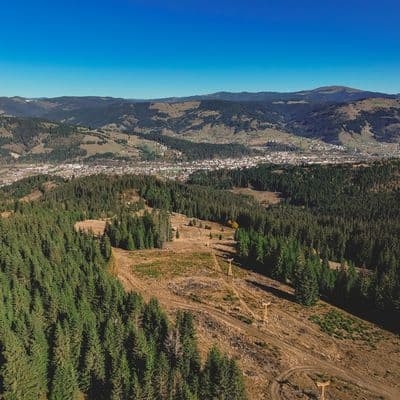
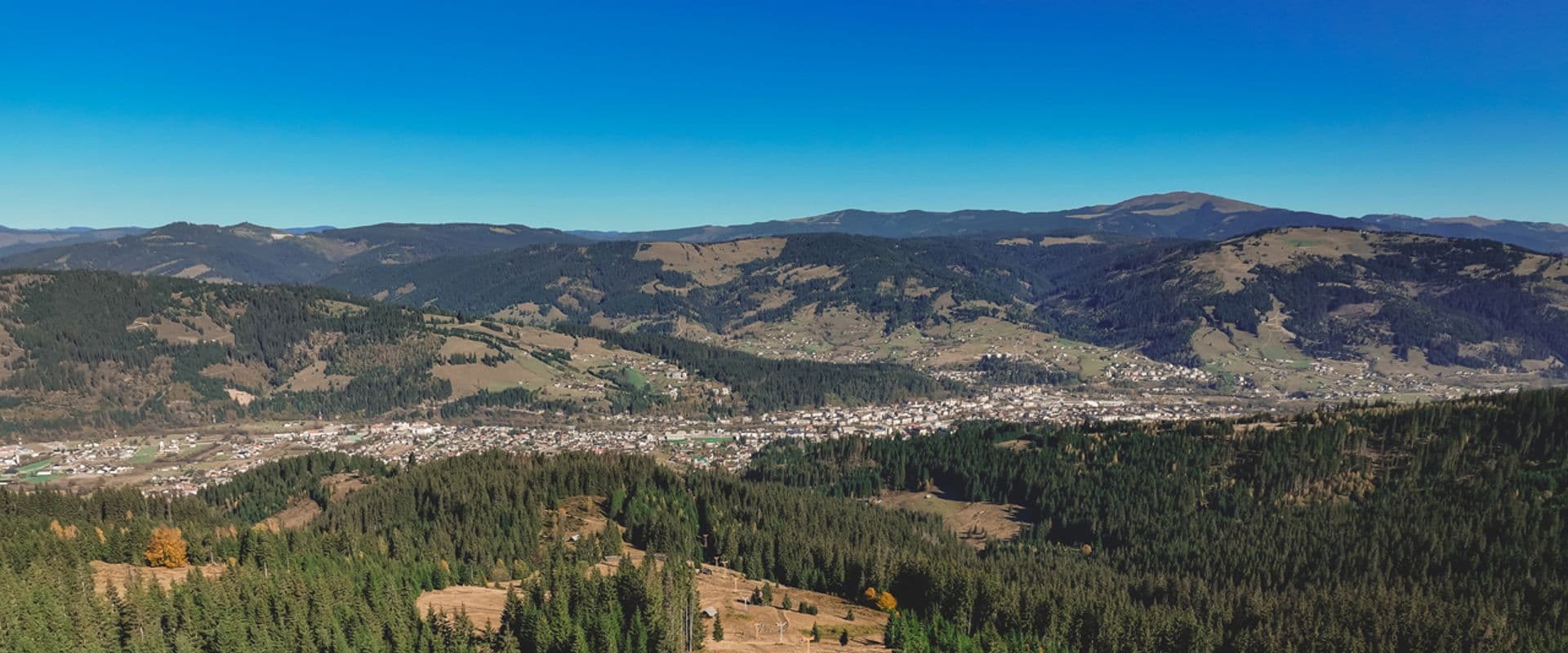
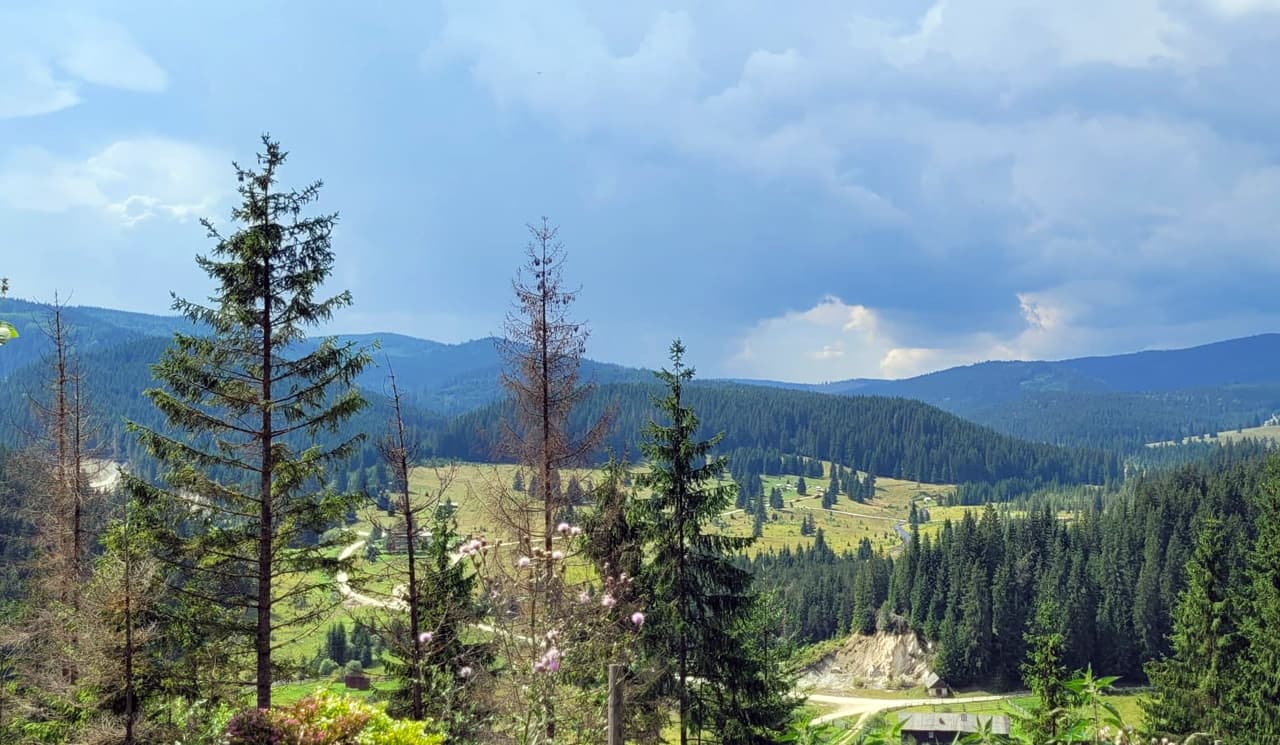
Țara Dornelor is revealed deep in the deciduous forests, on the bright ridges of the high mountains that seem to touch the sky. It preserves its history and traditions in the roads trodden by the worthy people of the place, in the shadow of the historical walls that bear witness to a past full of dignity.
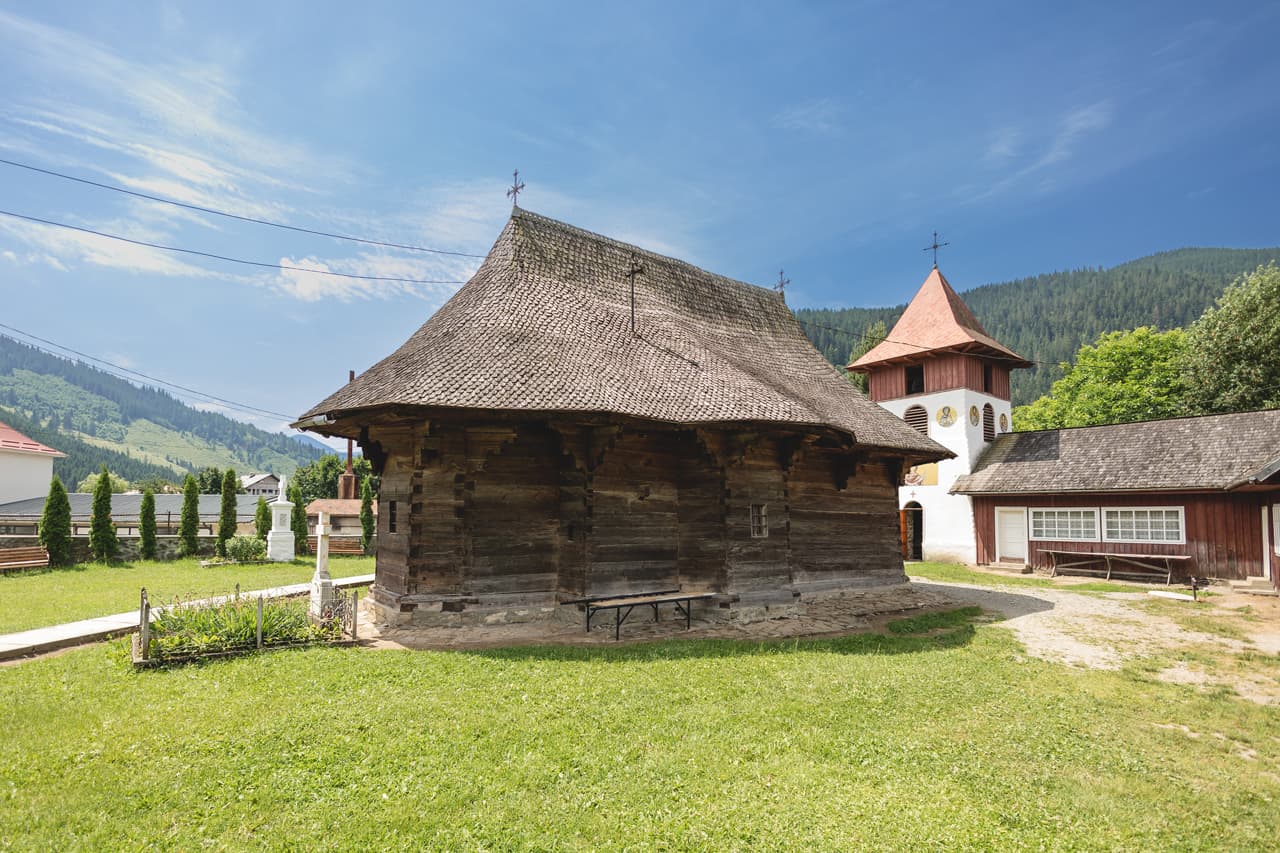
The accommodation units, welcoming and warm, receive their guests with love. Inside, the churches with thick and solemn walls keep the mystery of faith, while the conversations with the elders, with sun-warmed faces, and the games of the local children reveal the pulse of life in our community.
The history of Țara Dornelor takes shape at the level of legend starting with the 14th century and is linked to Dragoș, known as the Founder of Moldavia, in a version associated with oral tradition and Moldavian chronicles about the founding of the Country of Moldavia.
Traditions and customs
Țara Dornelor still keeps alive, even today, the traditions and customs carefully passed down from generation to generation. Some of these have been lost, others endure from ancient times, little altered. Every custom, every tradition represents fragments of an old world and, above all, an authentic one that we see today as well.
Each of the localities that make up Țara Dornelor shelters a distinct story, a unique identity, and even its own pace of life.
The beauty of Țara Dornelor lies in the care with which the inhabitants preserve their connection to their roots, and the customs and traditions become a gateway to the ancestors’ past, who contributed to shaping the present in this corner of the country, teaching us how they lived and understood life. In Țara Dornelor, the traditions and customs represent part of the quintessence of everything that Țara Dornelor has most beautiful to offer, being a pleasure to discover both for adults and for children.
- Christmas traditions
- Easter traditions
- Folk costume
- Șezătoare
On the lands of Țara Dornelor, Christmas is one of the most eagerly awaited holidays of the year, marked by a series of spectacular rituals. These traditions have the role of bringing abundance, health, and vitality, embodying the joy and unity of the community in this festive celebration.
In the period leading up to Christmas, ritual practices symbolically represent a new beginning, encompassing both Christian and pre-Christian customs. Pig slaughtering, wearing masks and the game, preparing food, garlic at the window on Saint Andrew’s Day to keep evil spirits away – these, but not only these, illustrate the pre-Christian basis of the winter holidays.
Part of the spirituality of the place, Christmas encompasses traditions and customs that mark the lives of the locals. Thus, there are numerous activities dedicated to this special period:
Caroling
An important tradition in Țara Dornelor is caroling. Groups of children or young people go from house to house, singing carols and bringing wishes of health, prosperity, and joy. Carolers were, in the past, rewarded with ring-shaped breads, walnuts, apples, or other traditional gifts.
The masked ones
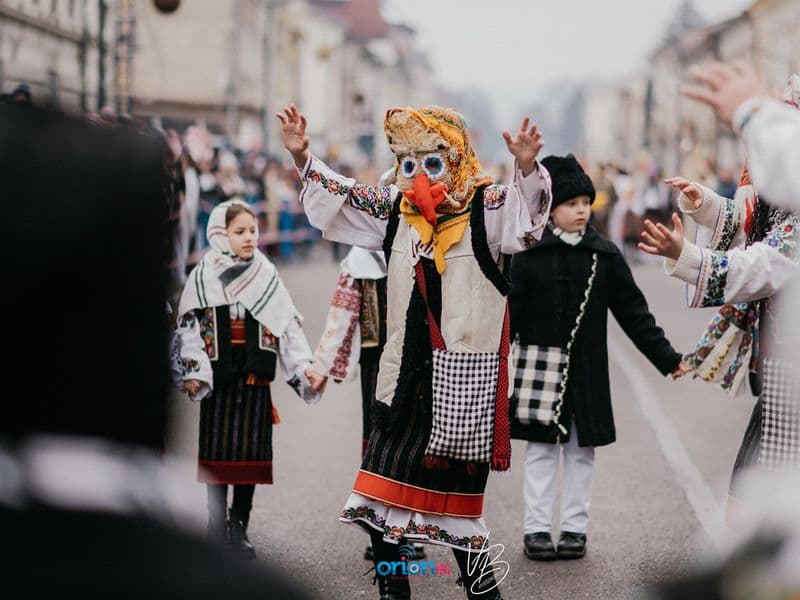
In some villages, there is the tradition of the “Mascații” or Benzile. Men and women dress in special, often frightening costumes, and go caroling from house to house. They perform their roles dramatically, bringing cheer to the community.
Traditional dances
Winter holidays in Țara Dornelor are often marked by local traditional dances. The community gathers to dance in traditional costumes, thus highlighting the region’s rich cultural heritage.
Easter celebration carries great weight both in Bucovina and in Țara Dornelor. Palm Sunday, also known as Willow Sunday, marks the beginning of the Easter celebration. Popular belief says that the signs and events of this day can provide clues for the entire year to come. Beautiful weather on Palm Sunday foretells a prosperous and fruitful season, and the appearance of frogs on this day is considered a sign of a pleasant summer.
Palm Sunday
On this festive day, willow branches are blessed and brought home, where they are placed by the icons, symbolizing well-being in the household. These twigs are also placed on the branches of fruit trees or near beehives.
Good Friday
On Good Friday or Holy Friday, the eggs are decorated, and on this day nothing is baked and nothing is sown.
Easter Night
On Easter Night, the people of Bucovina in Țara Dornelor open their hearts to the heavens and formulate their wishes for the new year. However, on the road to the Resurrection, they must be very careful, because it is believed that anyone who falls on this night will have bad luck all year.
Easter Day
On Easter Day, the whole family washes with fresh water, in which they add a silver coin and a red egg. It is said that this practice brings purity and prosperity, associating silver with wealth, the red of the egg with health and joy. Then, the blessed antidoron given by the priest at the Resurrection service is consumed.
Decorating fabrics with stitches is a craft known since Antiquity, and in Țara Dornelor, wearing the folk costume underscores local pride. The folk costume from Țara Dornelor is rich in colors and traditional motifs, each having a special meaning. At the level of the localities in Țara Dornelor there are specific symbols that speak about the spirit of the place. These details not only beautify clothing, but also keep alive the traditions and history of the communities.
Nowadays, it is still common to see locals dressed in folk costume on festive days, whether inherited from generation to generation or made recently. This custom represents a sign of respect for tradition and cultural identity.
In Țara Dornelor, numerous events dedicated to local traditions and customs are organized, representing a celebration of the cultural heritage. These festivals contribute to promoting and preserving the region’s unique cultural heritage.
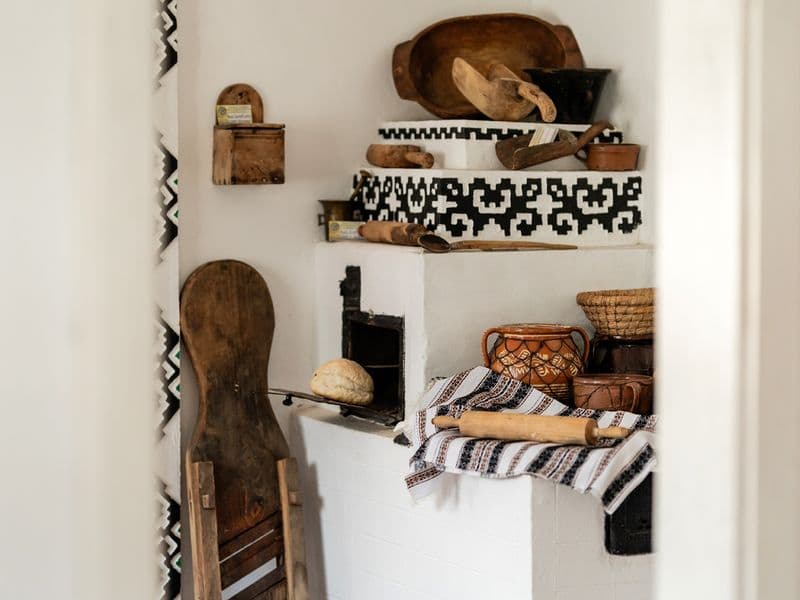
The Ethnographic Museum in Vatra Dornei is the meeting place for the șezătoare that takes place every Saturday, starting at 1:00 p.m. Through these șezători, the cultural heritage of the area is revitalized and passed on to future generations. Thus, traditions are kept alive through the craft of sewing ii, decorating eggs, and other traditional activities.
The craftswomen who gather at the șezătoare have learned to sew ii from their mothers and grandmothers, and some of them still carefully keep the embroidered patterns on cloth in order to preserve the old designs. From colorful patterns to sober shades, all these details are carefully chosen depending on the area of Țara Dornelor they represent. Thus, each ie and shirt reflects local pride and traditions deeply rooted in the spirit of the place.
At the same time, the craft of decorating eggs becomes a refined form of art, in which attention to detail and patience blend harmoniously to create symbols of a special beauty, representative of Țara Dornelor. Especially in the period leading up to Easter, the șezătoare becomes filled with a creative atmosphere, in which some of the ladies focus exclusively on decorating eggs.
Also within the șezătoare, in a modern style, jewelry from pearls or other representative materials is created, some even with traditional patterns. These creations combine traditional craftsmanship with modern influences, giving folk art a fresh breath and a contemporary reinterpretation. Each piece tells a story, keeping the cultural heritage alive in new and creative forms.
Prominent figures of Țara Dornelor
- Vasile Deac
- Ion Luca
- Platon Pardău
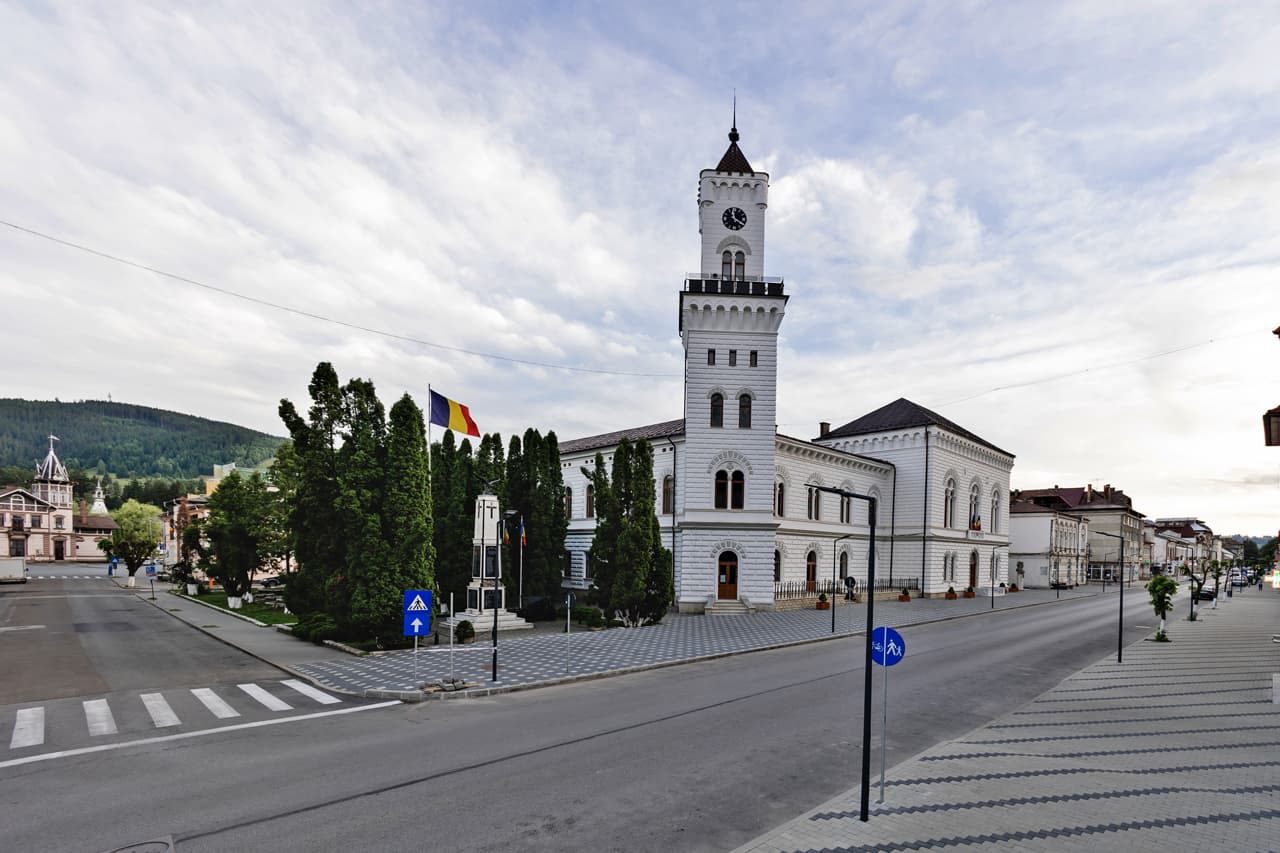
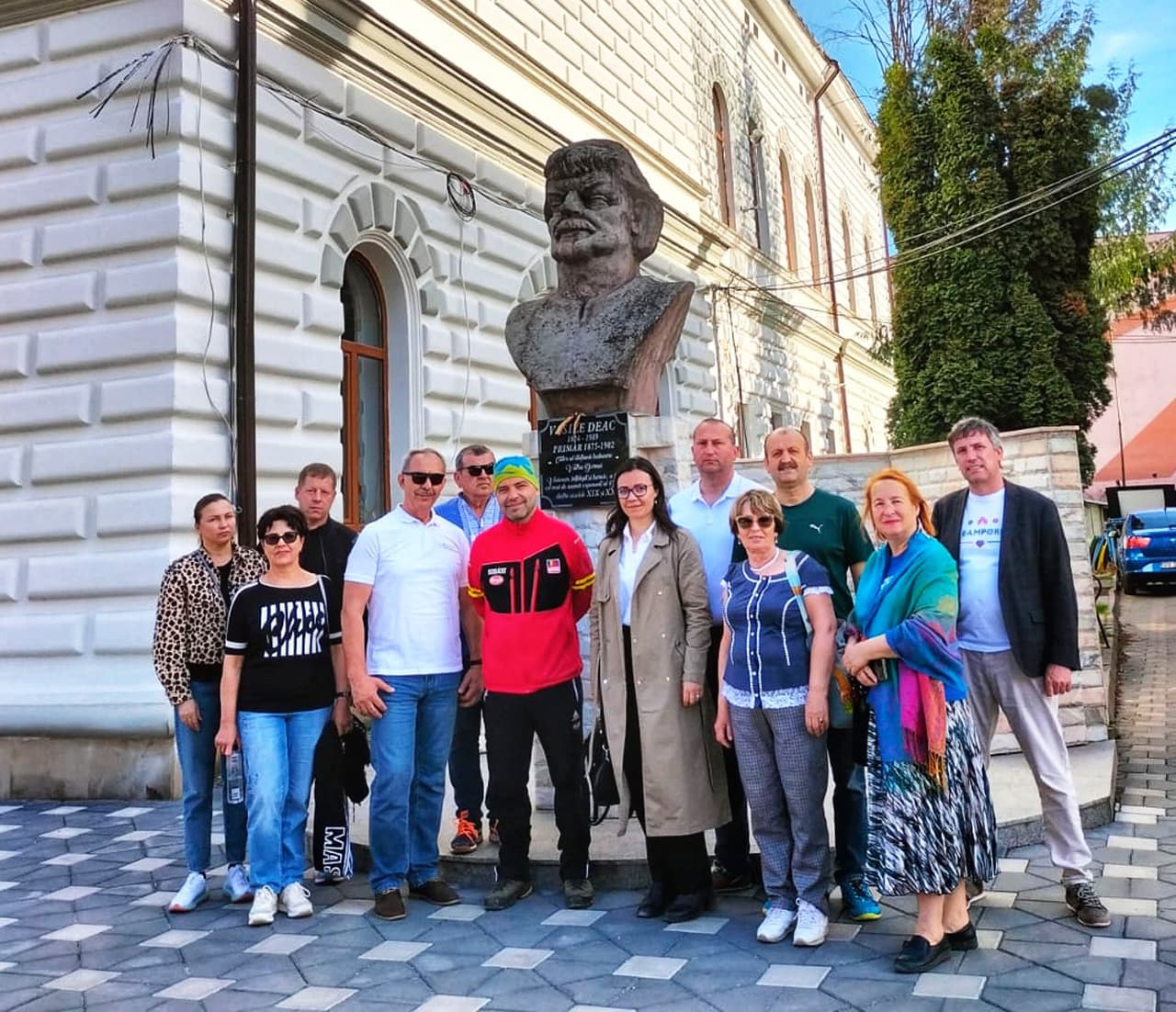
The spa town of Vatra Dornei owes much of its development and recognition abroad to the warm-hearted mayor Vasile Deac, who, during the time he led the town (1875-1902), wore out his opinci going to the Imperial Court in Vienna and managed to promote the construction or raise here, from the local funds, those of the Duchy, the Church Fund or other sources, a series of magnificent buildings, true architectural values that are part of the Dornean emblem even today: the Catholic Church (1895), the Spa Hotel I and II (1895), the Spa Establishment (1896), the Communal Palace (1897), the Casino (1899), the Santinela Spring Building (1899), the Romanian National Palace (1901). He also founded the first Museum of Archaeology and Ethnography located on the ground floor of the Town Hall (1898); he was the mayor who fought hard for the railway to reach Dorna, introduced street lighting in the town in 1877, when the first 30 lanterns were burning on the streets of the locality, and was the illiterate mayor who brought the light of books to the community of the villages, building the school in Moroșeni Șar (1885), Rusca (1895), the Communal Public School Dorna Vatra (1897), Argestru (1889).
“Vasile, son of Pentelei Deac, was born on April 10, 1824, in the commune of Vatra Dornei and spent the years of his childhood mostly in the mountains, grazing sheep and singing doinas on the flute. He liked to go among the village elders and listen to their advice, and they – more than once had reason to see that, although he was young, he nevertheless had a mature mind and a strong and determined will.”
(…) “Vasile Deac was also an outstanding householder, for he worked very hard and with great effort. From working with the axe, for example, one finger became twisted. He was diligent and very thrifty and was not ashamed of anything; he was the first to manure his meadows with manure from the market.
The destination in numbers
Țara Dornelor, up to date
The numbers below are not promises: they are the destination's public inventory, counted from the same sources you see on this site.
- 9
- villages
- 11
- stays
- 18
- members
- 91
- events
- 26
- sights
- 3
- trails
The amphitheatre's steps
Different localities, one stage
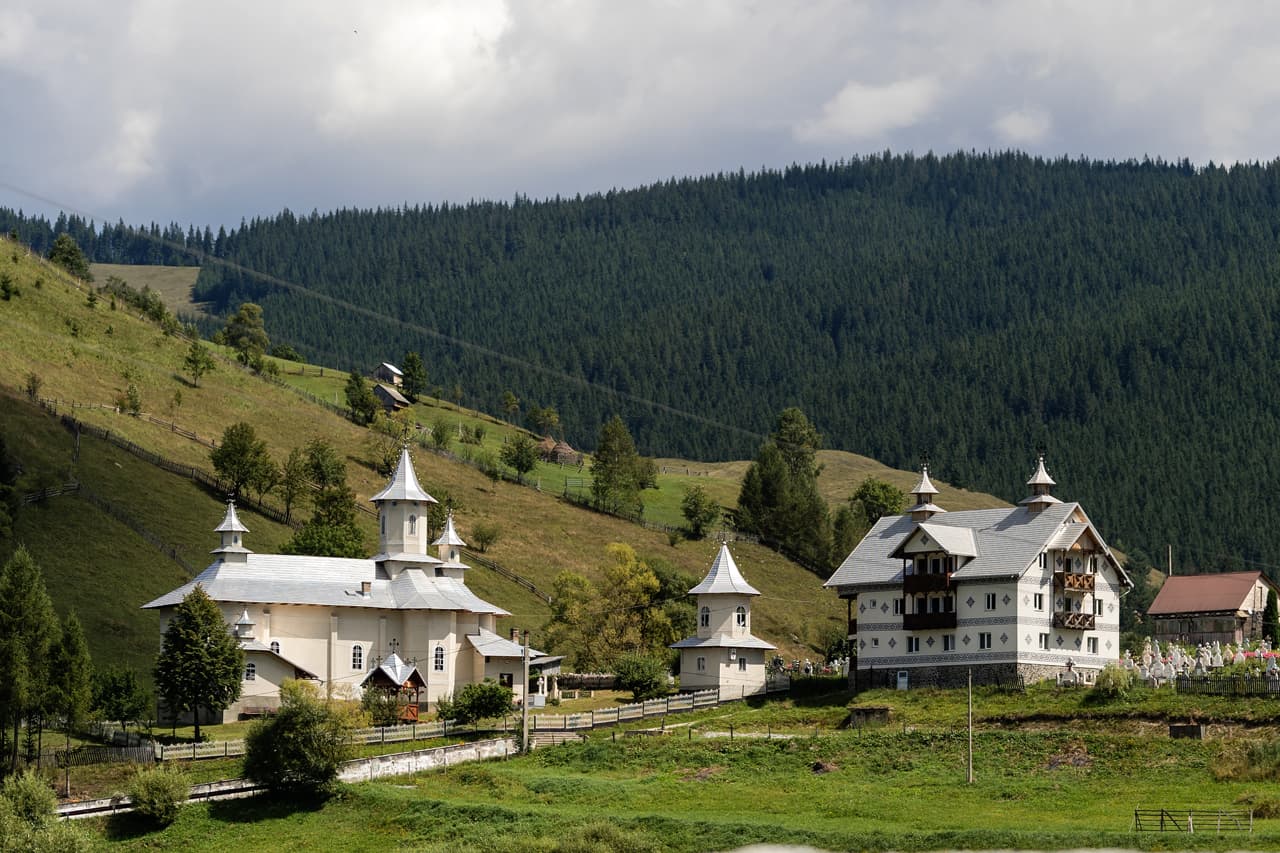
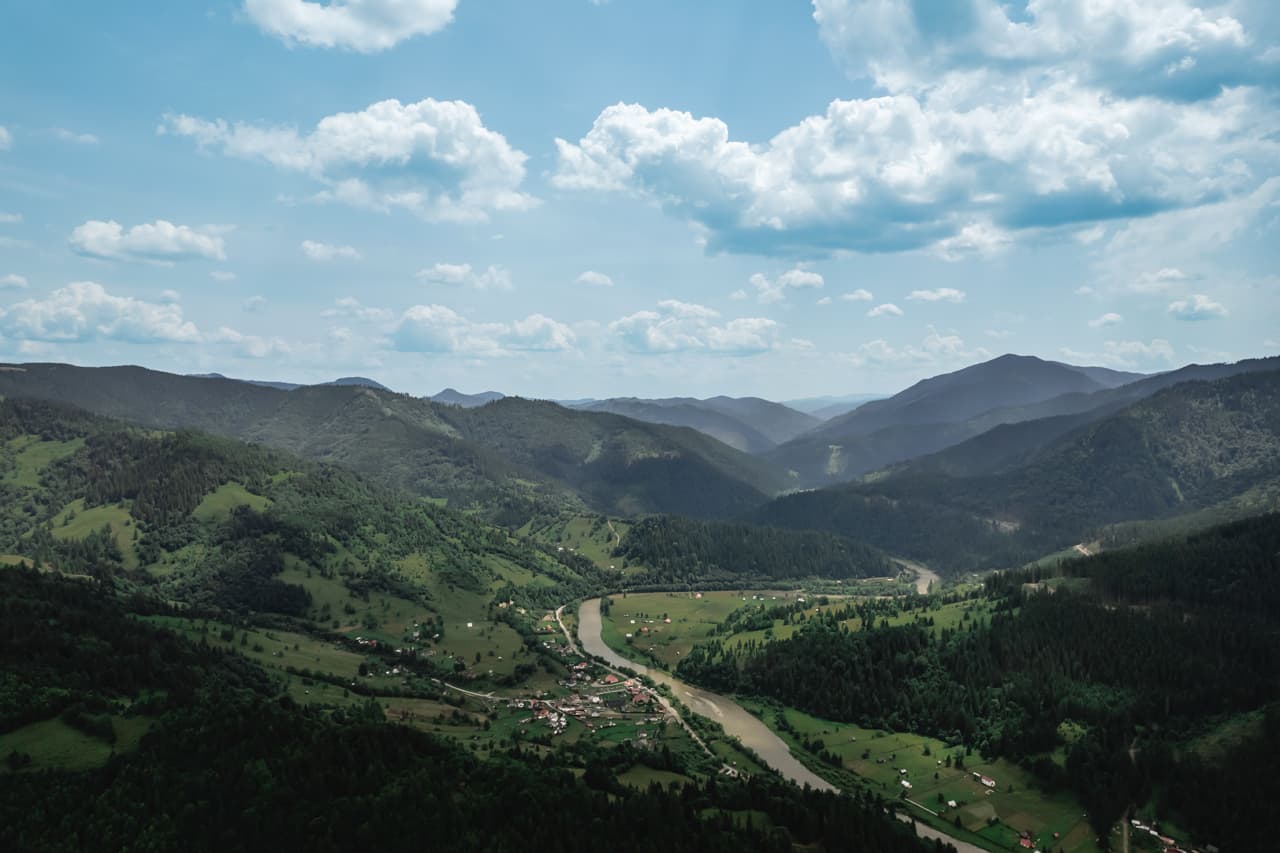
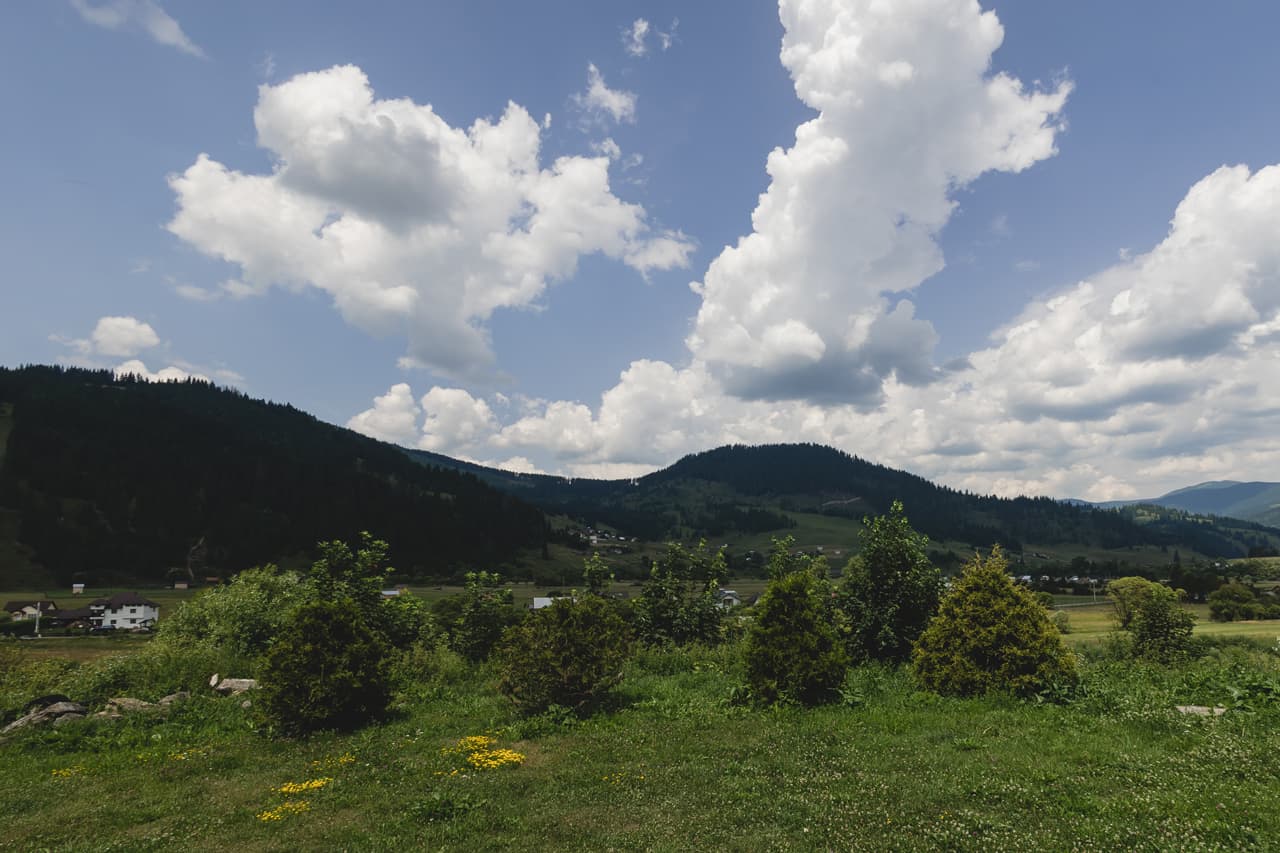
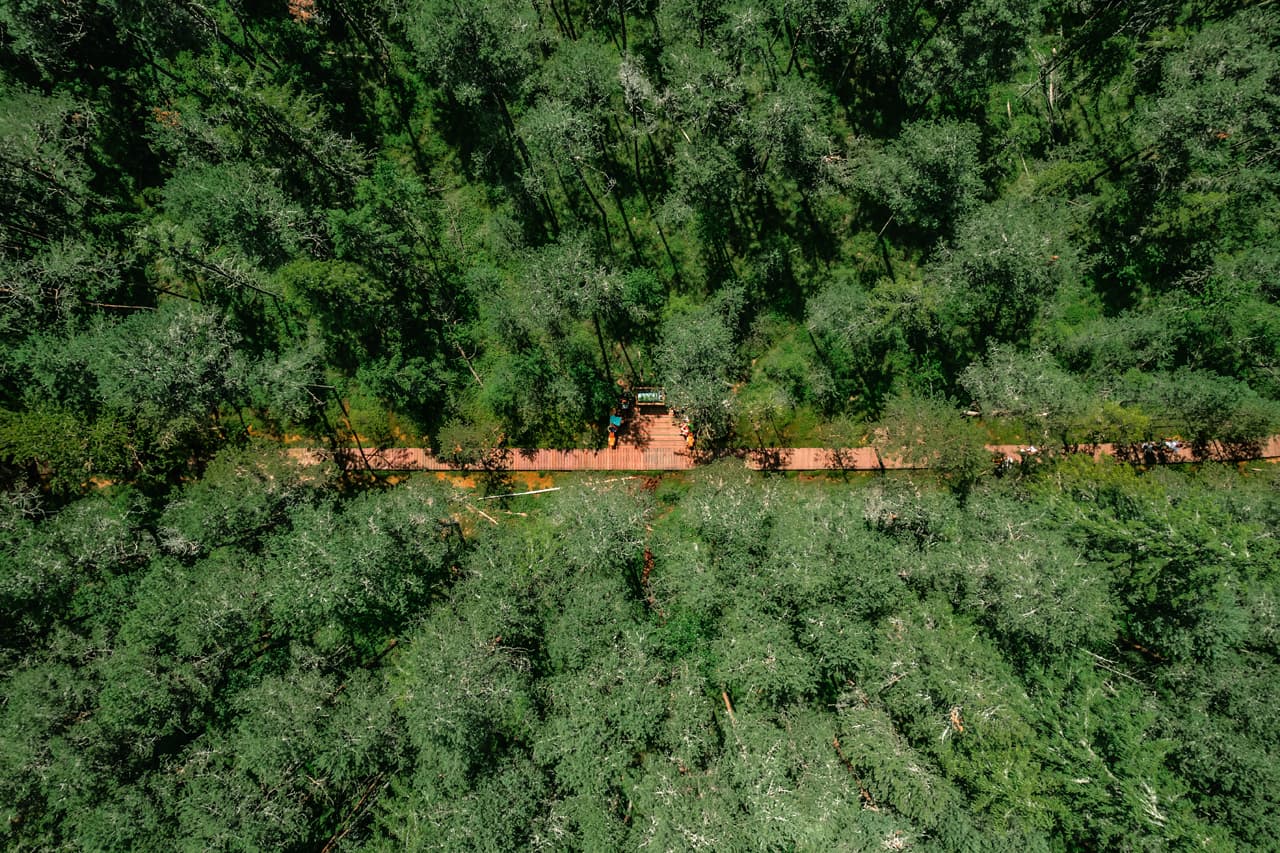
From Vatra Dornei, in the central hollow, to the villages on the ridges — each locality is a step with its own way of welcoming you.
Six ways to read it
Choose your theme
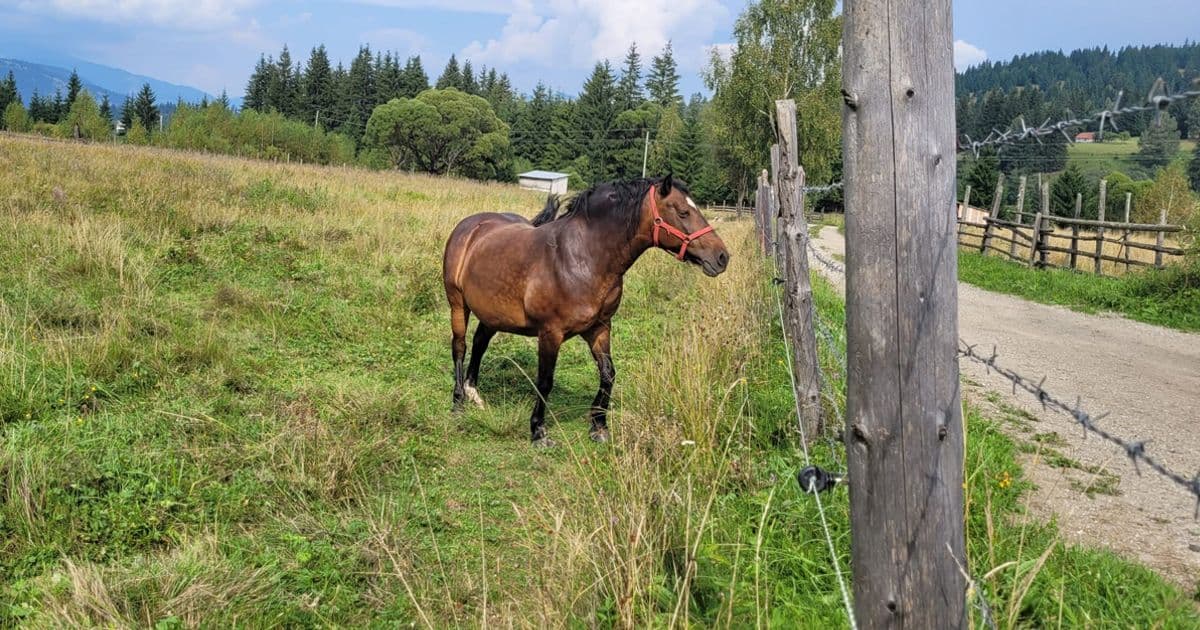
Nature, wellness springs, culture, sport, faith or village life — the same places, read in six different keys.
Agrotourism and rural tourism
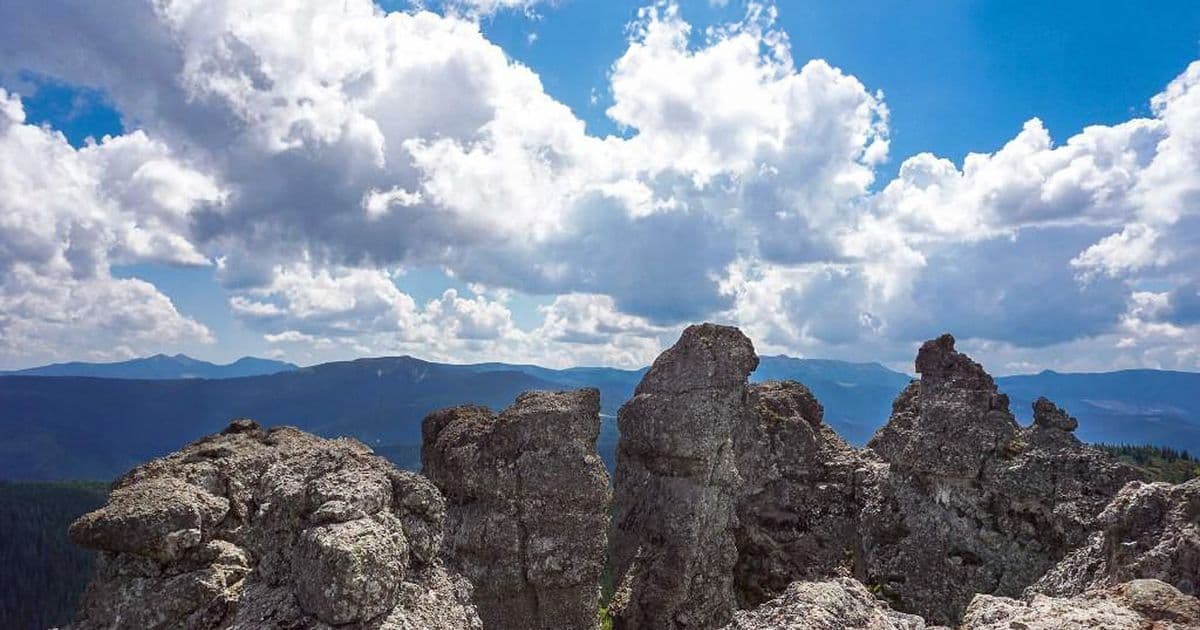
Nature and adventure
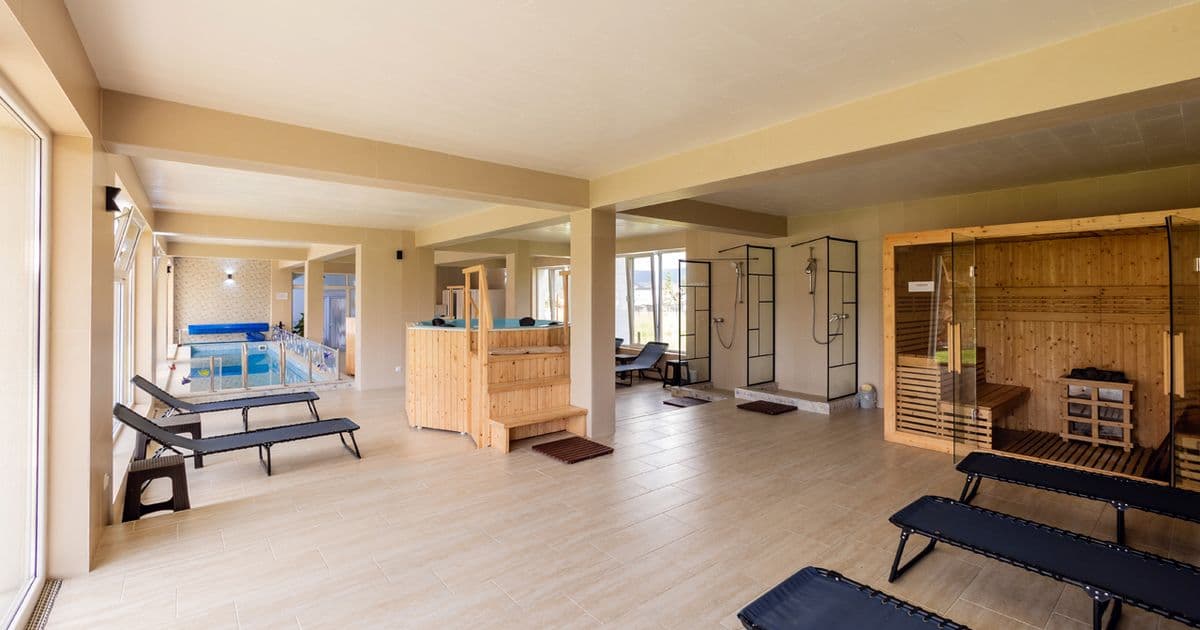
Spa and wellness tourism
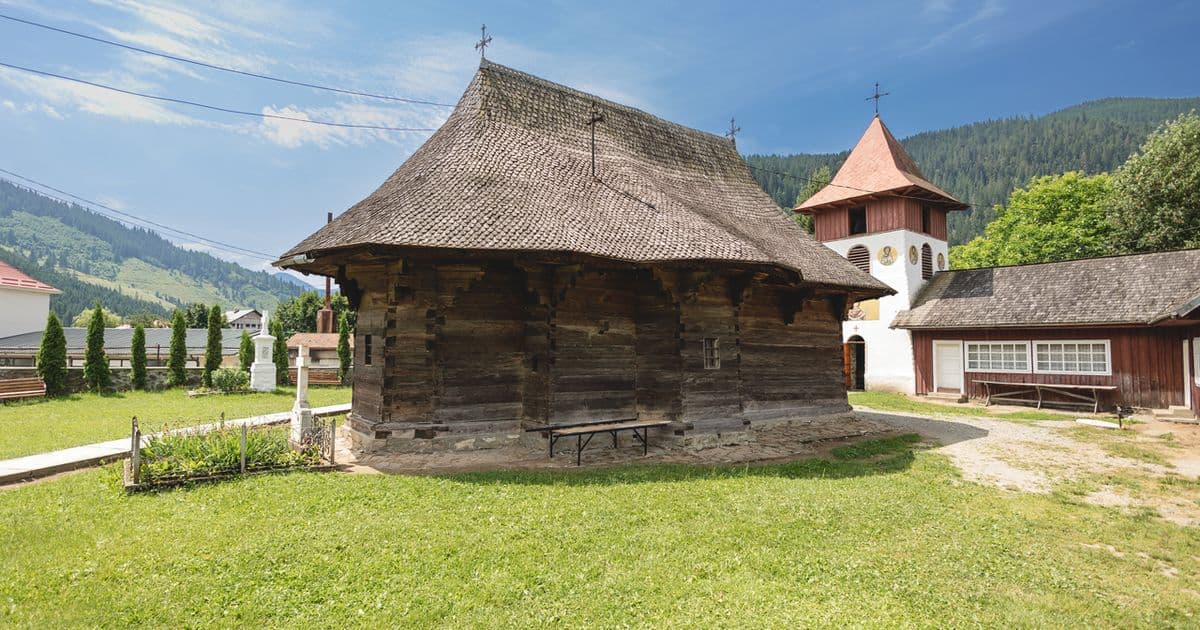
Cultural-historical tourism
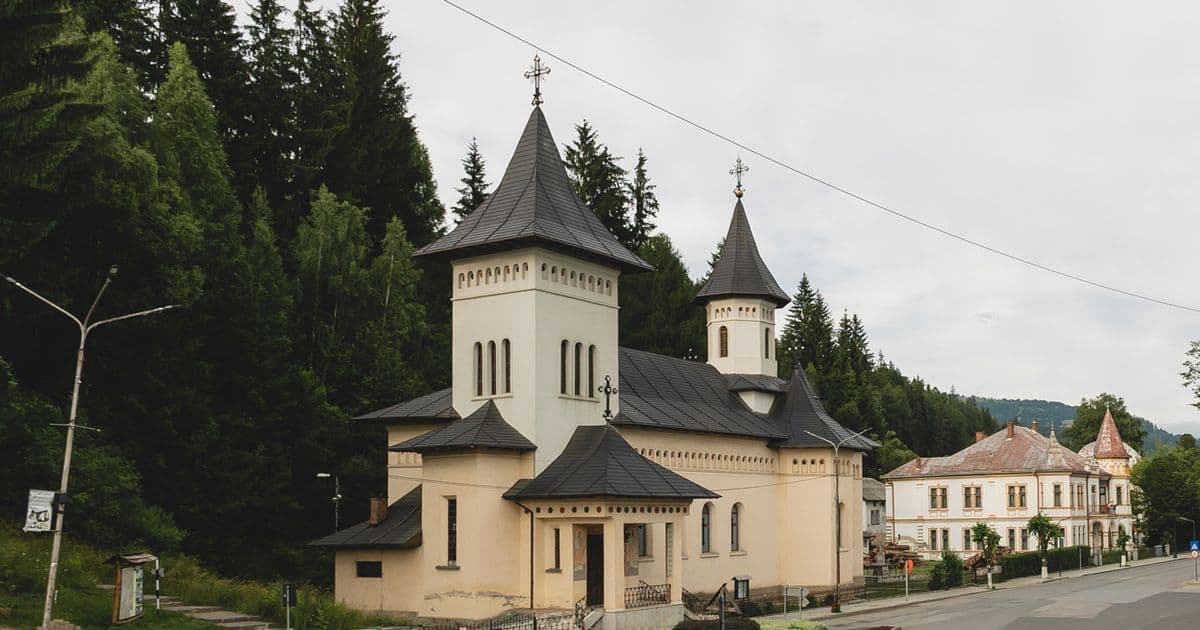
Religious tourism
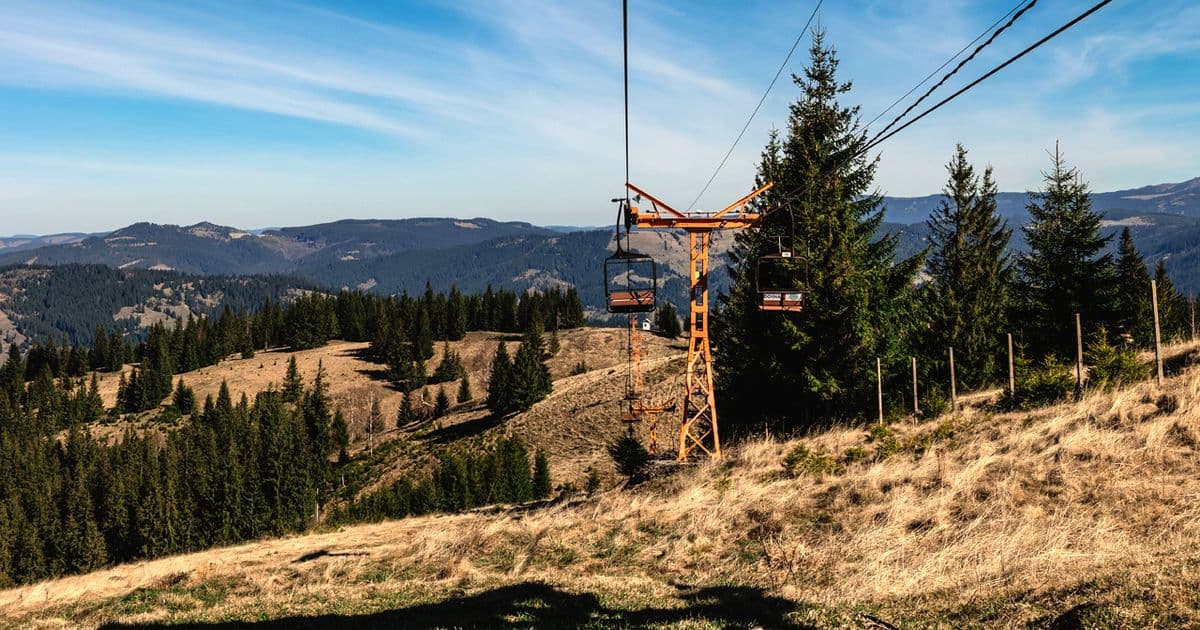
Recreational, sports and adventure tourism
To see, to walk
Sights and trails
The gorges, peaks, springs and museums that give the destination its relief — and the trails that connect them.
Attractions
View all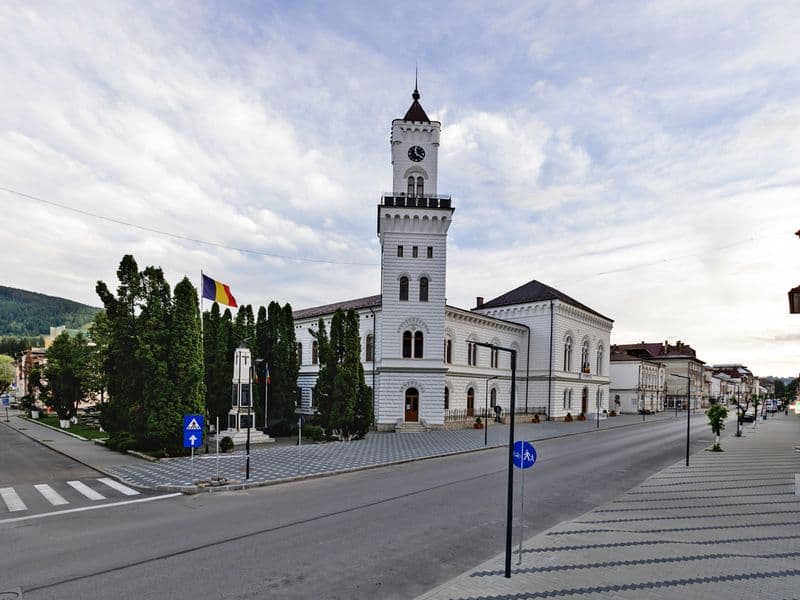
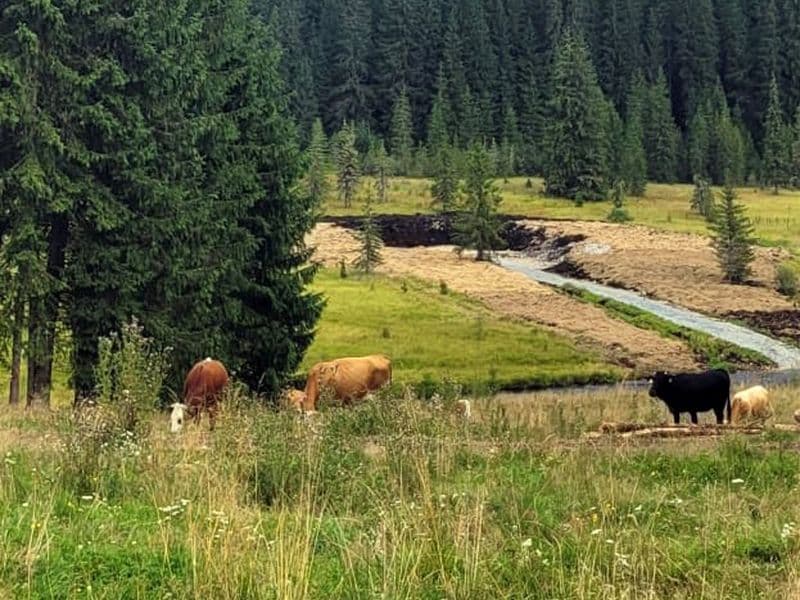
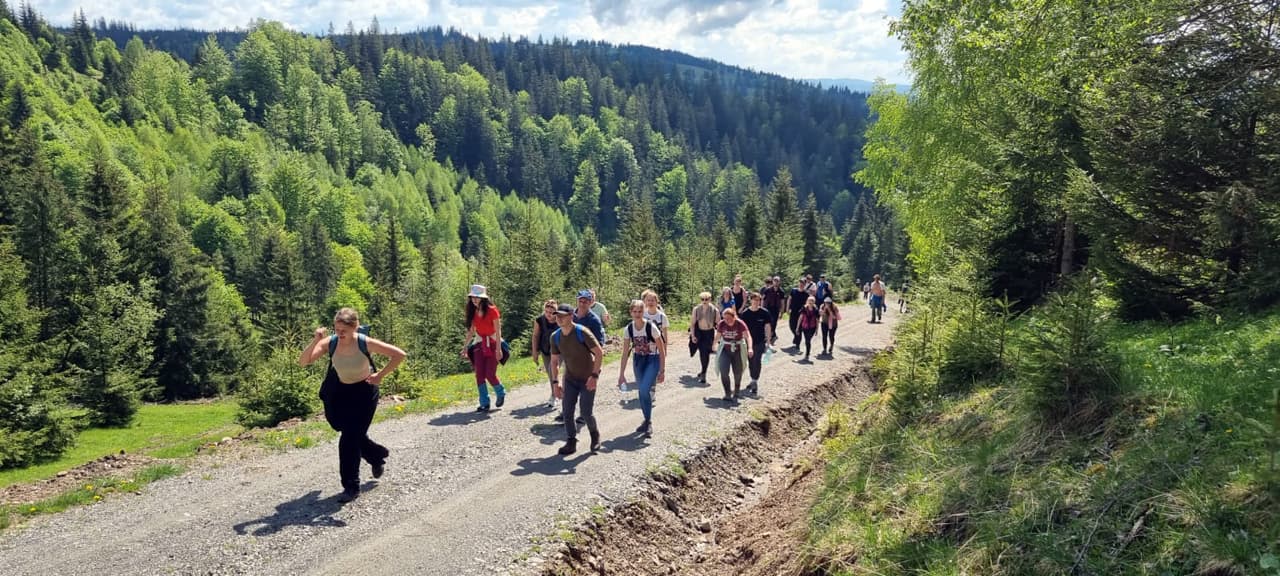
The stage calendar
What's next in the amphitheatre
Fairs, festivals and living traditions, in every season.
Stay the night
Book directly with the host
No middleman, no hidden fee: you choose the place and the money goes to the people hosting you.
Discount card
The partners waiting for you
One card, more discounts with the destination's hosts and partners.
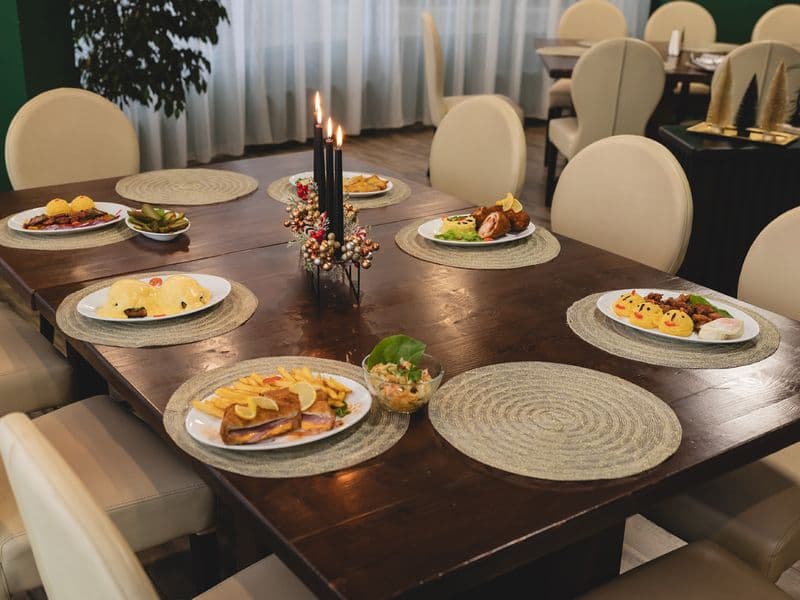
Restaurant Carol
Restaurant Silva
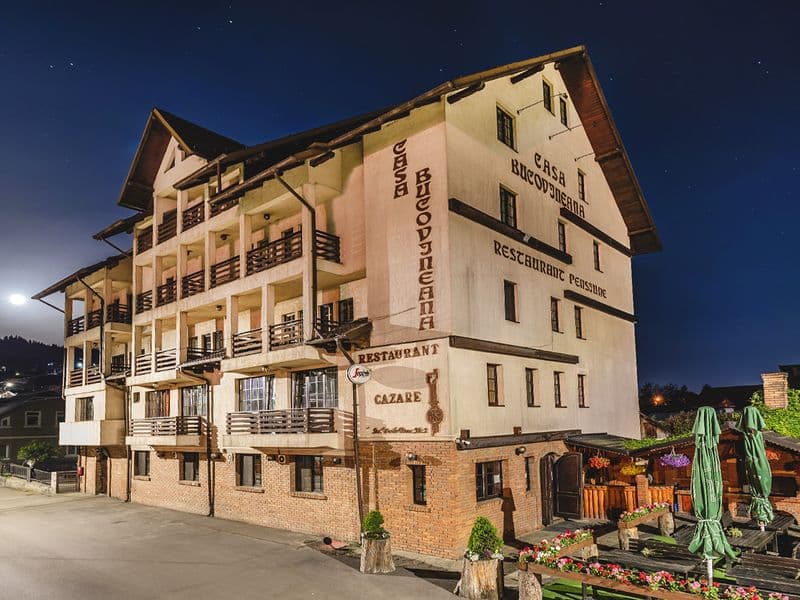
Restaurant Casa Bucovineană
Muzeul de Științe Naturale și Cinegetică Vatra Dornei
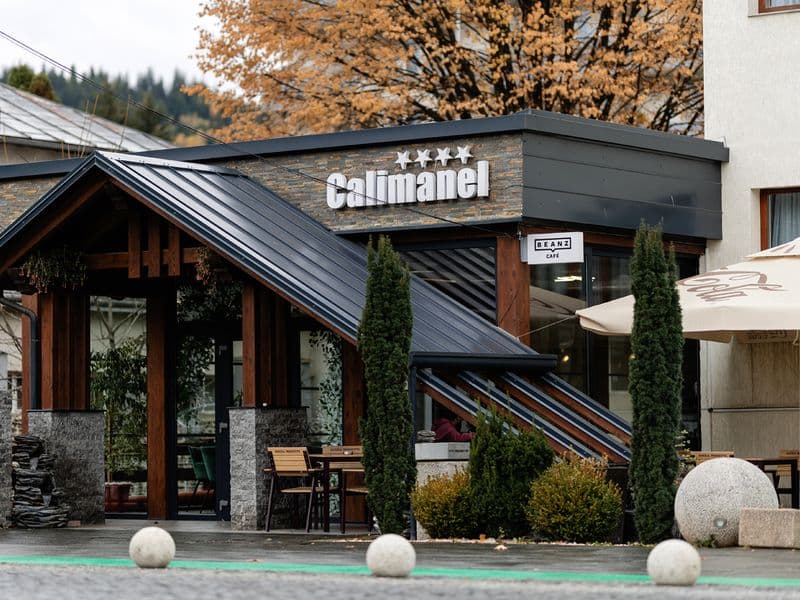
Restaurant Călimănel
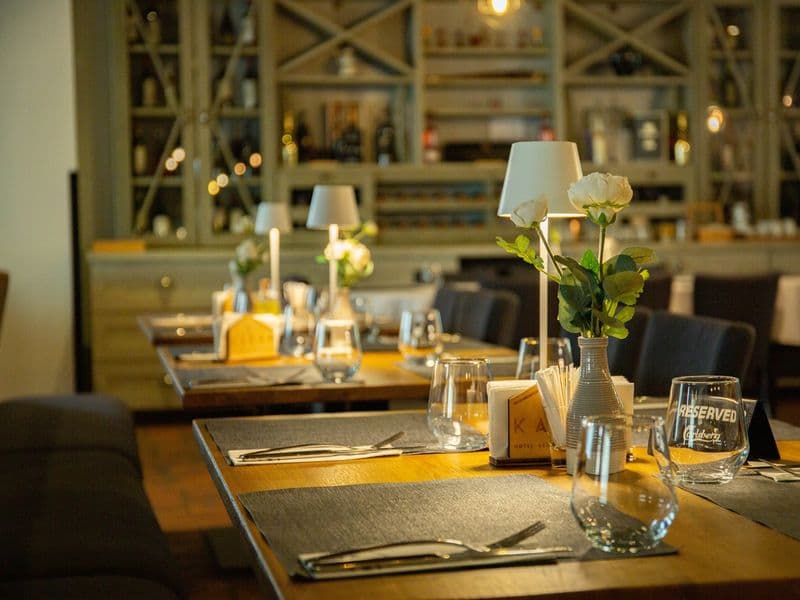
Restaurant Kaban
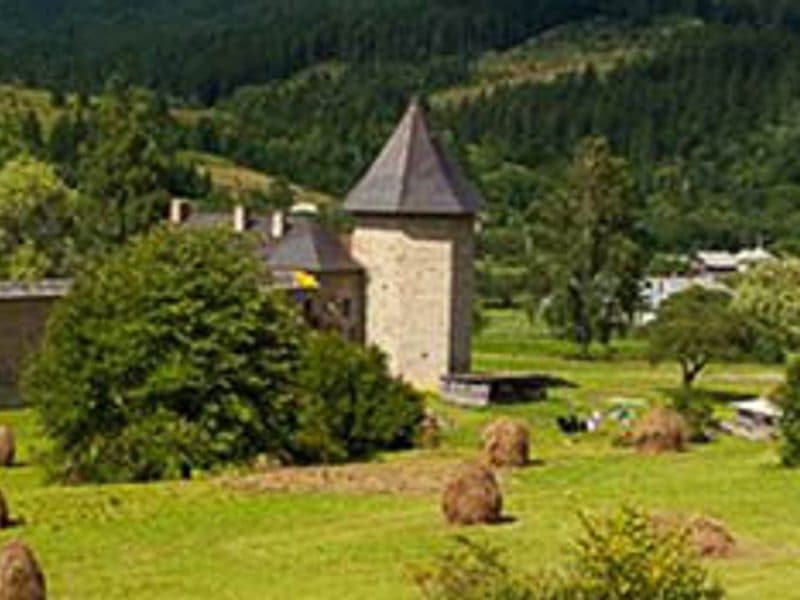
O zi printre mănăstirile pictate ale Bucovinei

Panoramic Bus
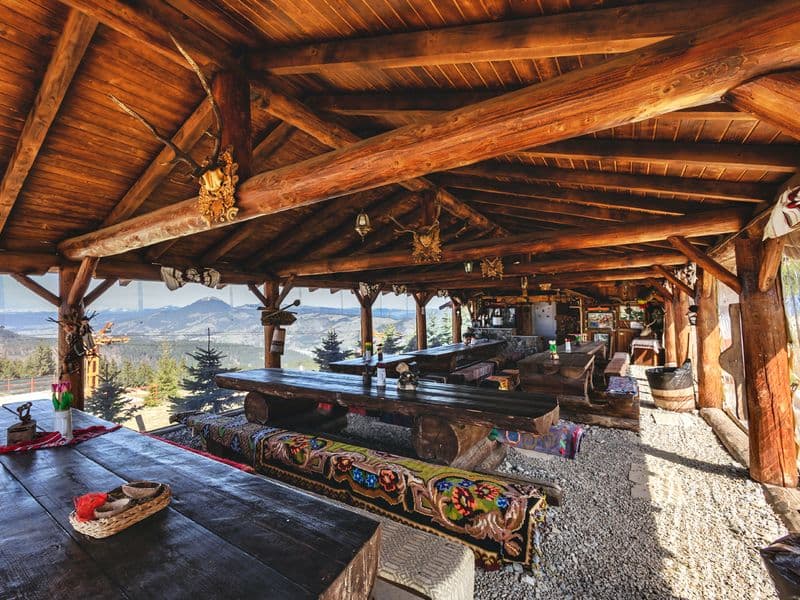
Restaurant Telescaun
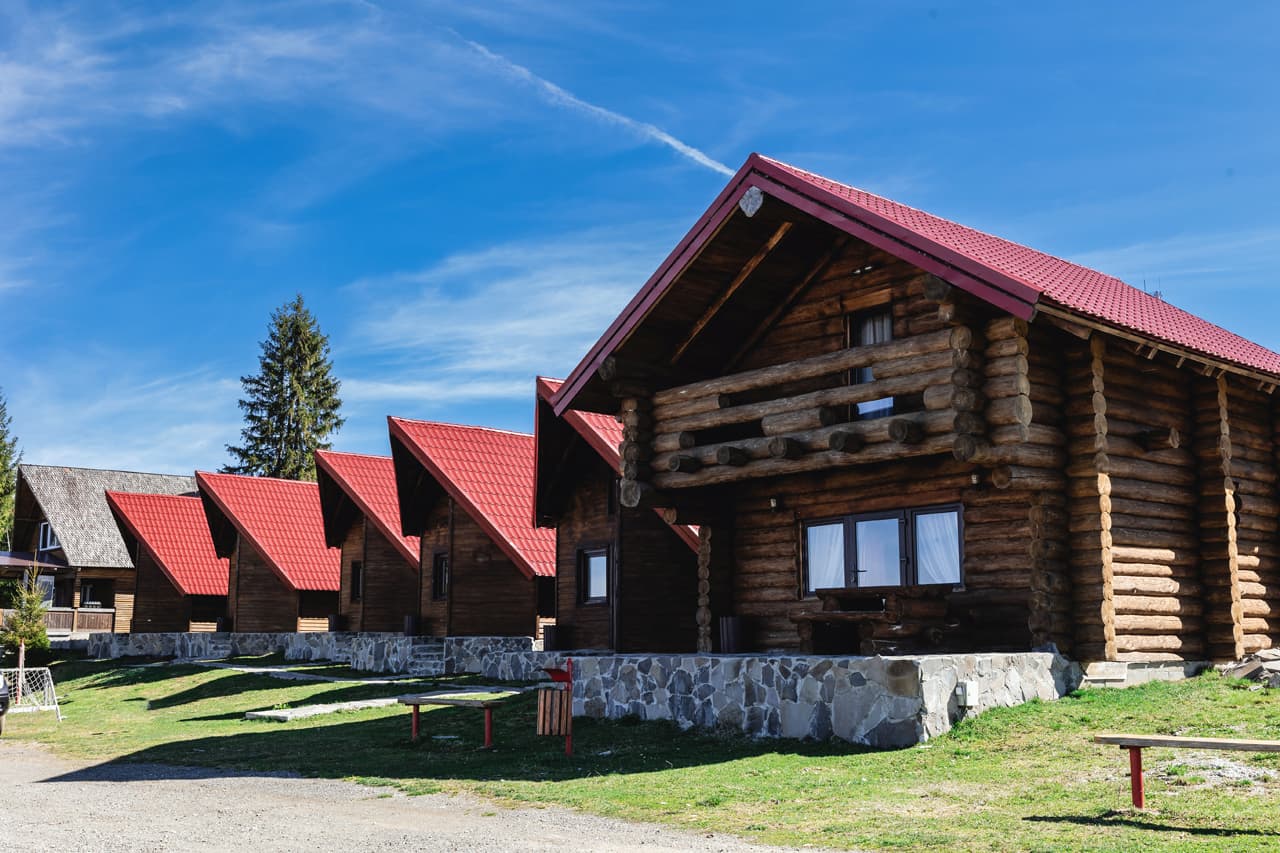
Complexul Turistic Telescaun
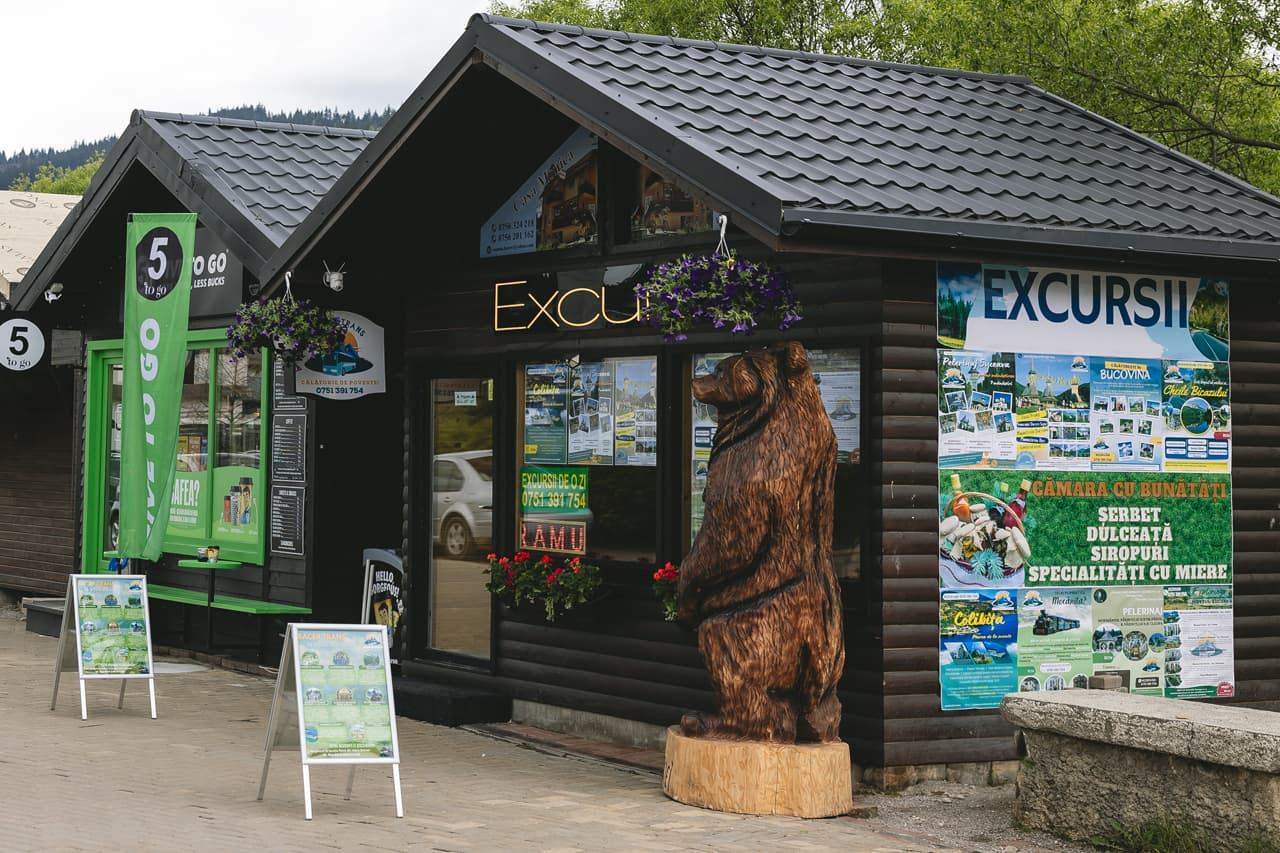
Bacer Trans

Pe drumul apelor repezi ale Bistriței Aurii

Tinovul Mare, Via Transilvanica și gustul Țării Dornelor
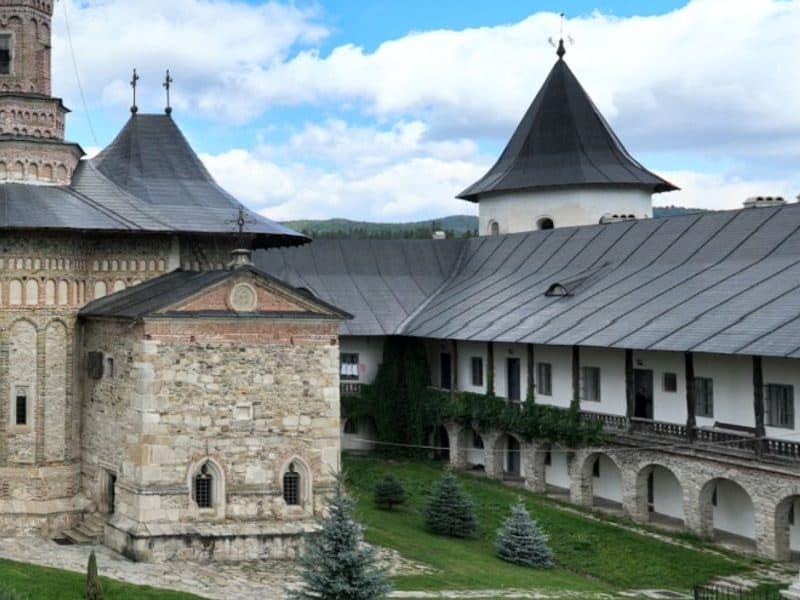
Comorile Neamțului — mănăstiri și zimbri
Bacer Trans — excursii de o zi
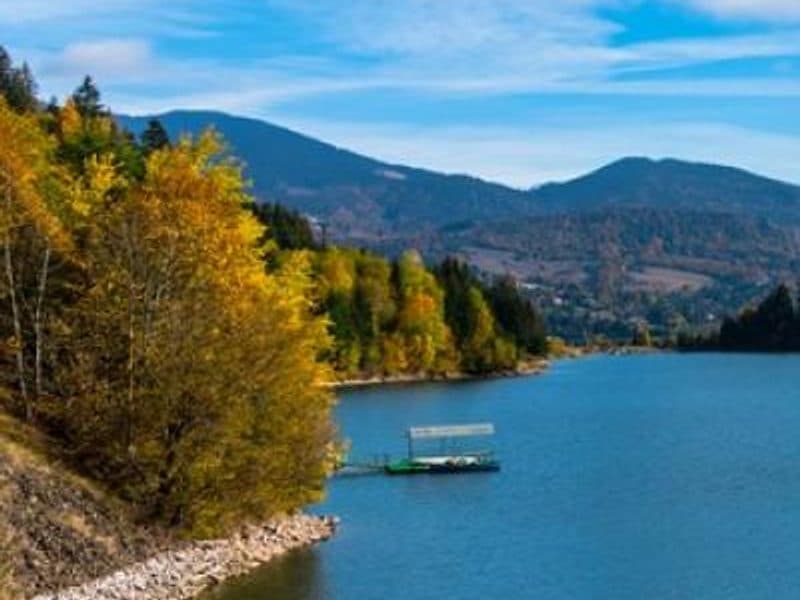
Colibița & Mănăstirea Piatra Fântânele
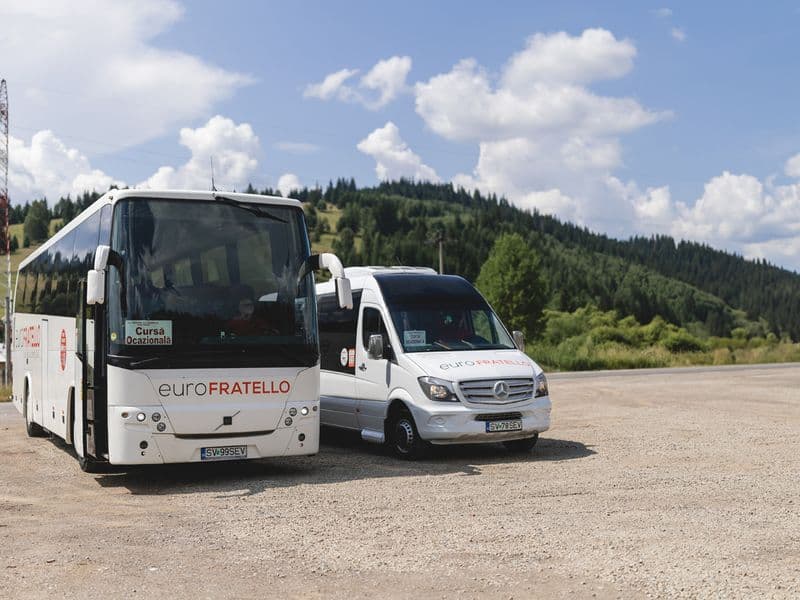
EuroFratello — transport turistic
Vatra Dornei și înălțimile Munților Bistriței
Șincarom
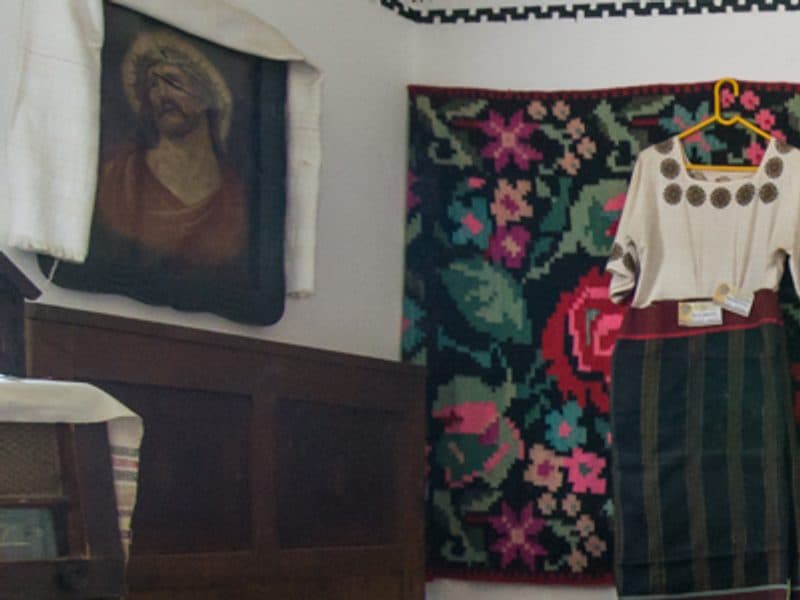
Meșteșuguri și tradiții: ouă încondeiate, case pictate, Piatra Țibăului
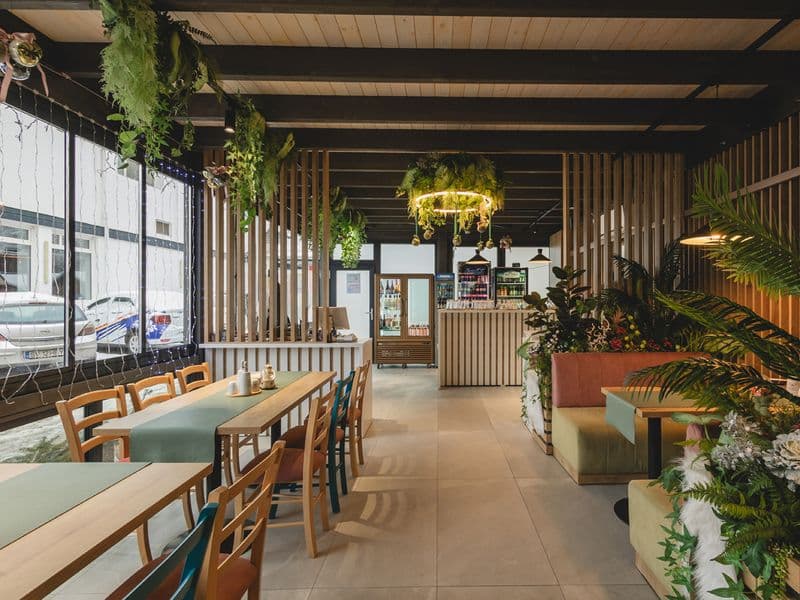
Afina din Bucovina
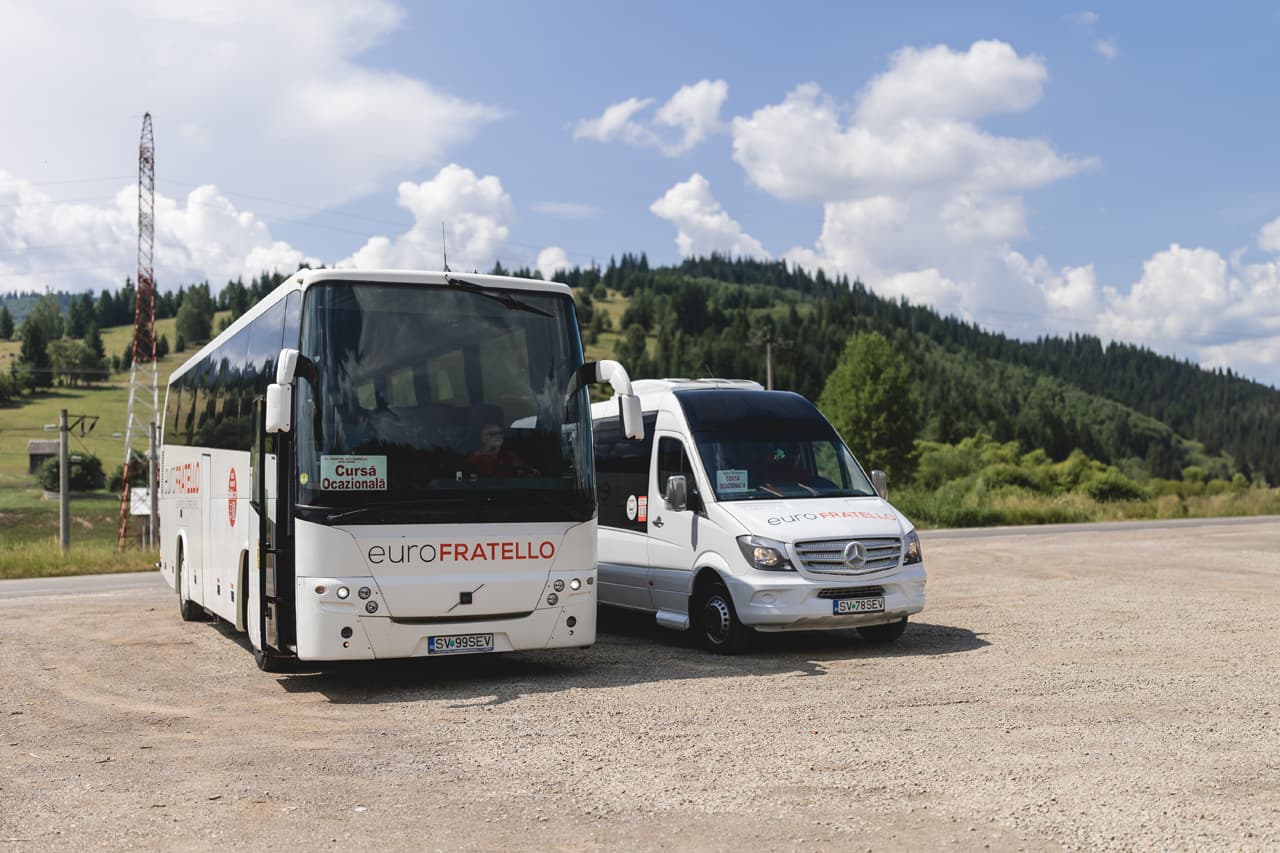
EuroFratello

Excursie panoramică Transrarău
Muzeul Ouălor Încondeiate Ciocănești
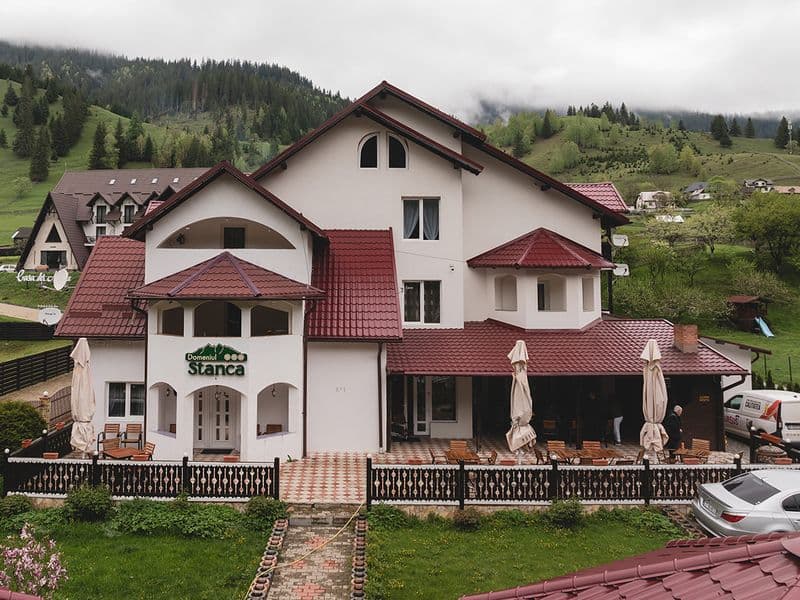
Restaurant Domeniul Stanca
Transrarău & Pietrele Doamnei
Tur de seară în Țara Dornelor, cu cină la stână turistică
În inima vulcanului: Călimani, Dorna Arini și aromele muntelui
Mănăstirea Piatra Tăieturii — apus cu Panoramic Bus
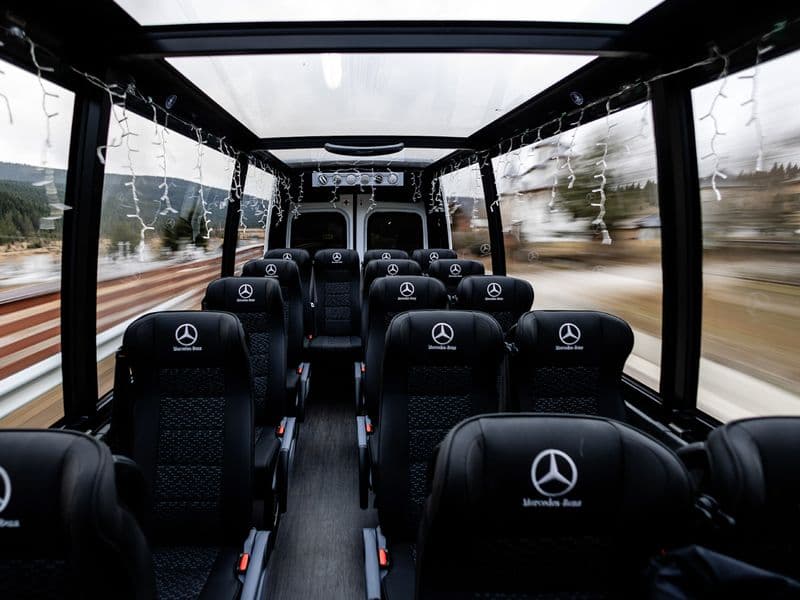
Șincarom — transport
